
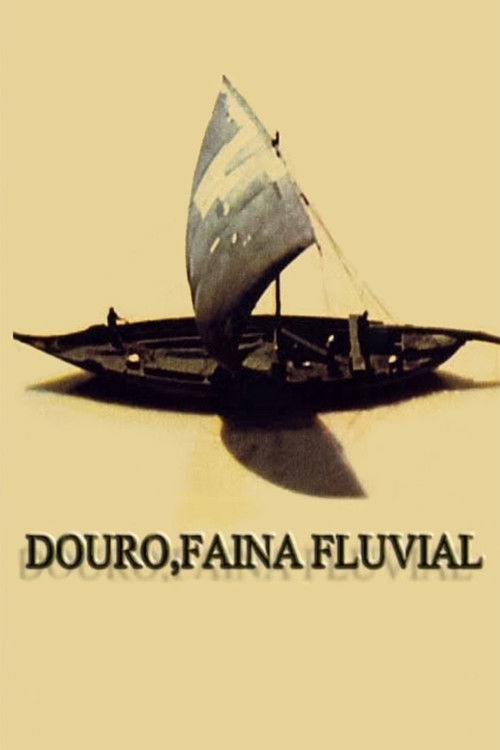
Working on the Douro River (1931)
Documentary
Stream it, iffor film-history enthusiasts happy to meet a silent city symphony on its own rhythm.
A rhythmic, silent observation of manual labor and industrial life on the riverbanks of Porto. At only 20 minutes, it is a brief but vital piece of cinematic history that rewards viewers interested in the roots of documentary filmmaking.
The premise
Short silent documentary from 1931 about those working on the River Douro in Oporto.
What Working on the Douro River is like, and who it is for
What it is like to watch
A short, silent study of a day on the Douro in Porto, watching stevedores, boatmen and traders at hard physical labour against the working river. It unfolds as a string of rhythmic, carefully framed observations rather than a story, with the city's bridges, warehouses and water all part of one flowing industrial choreography. The pace is meditative and the imagery formal, closer to visual music than reportage.
Who it follows, and how it landed
Manoel de Oliveira, later one of Portugal's great directors, made it at the very start of his career, clearly inspired by Walther Ruttmann's Berlin: Symphony of a City and the broader city-symphony movement. First shown in Lisbon in 1931, it was booed by much of the Portuguese audience, yet praised by visiting artists and critics, including Luigi Pirandello. Oliveira later re-edited it with new soundtracks in 1934 and again in 1994, so the version you may see carries a score added decades after the images. Its lasting reputation is reflected in an IMDb score of 7.2 and a Letterboxd average of 3.6.
Who it is for, and who should skip it
This is for viewers who enjoy early documentary, avant-garde film history, or any meditation on ordinary work made strange and beautiful. It rewards patience and an eye for composition. Skip it if you want narration, human voices or any conventional storytelling; a silent twenty minutes of loading barges will feel slight to those not already curious. The caveat is that the print is nearly a century old, so expect soft textures and no sound of the era, only later music.
The right evening for it
Best for a quiet evening when you want a brief, thoughtful taste of how cinema saw the everyday almost a hundred years ago. It pairs well with another city symphony or an early silent as part of a larger film-history session.
Written by our AI from the facts on this page. It has opinions; it has not watched it.
How Working on the Douro River leaves you
One line on the mood it ends on, with no plot. Some people count that as a spoiler, so it stays hidden until you ask.
Expect to come away with quiet respect for how much a wordless twenty minutes can hold, and for Oliveira's early eye.
If you like this, try
Berlin: Symphony of a City (1927)
the direct model for this kind of rhythmic city-symphony montage
Man with a Movie Camera (1929)
the same formal, wordless observation of a working-day city
Rain (1929)
a short, poetic documentary built from everyday elements
Suggested by our AI for what they share with this one. Linked titles have a page here; the rest are worth a search on the browse page.
Working on the Douro River soundtrack
Music by Luís de Freitas Branco
Questions people ask
- Is Working on the Douro River an authentic documentary?
- Yes. On Watchlist Boosted it is tagged Authentic. A rhythmic, silent observation of manual labor and industrial life on the riverbanks of Porto. At only 20 minutes, it is a brief but vital piece of cinematic history that rewards viewers interested in the roots of documentary filmmaking.
- How long is Working on the Douro River?
- Working on the Douro River runs 20 min and was released in 1931.
- Who composed the music for Working on the Douro River?
- The music for Working on the Douro River is by Luís de Freitas Branco.
- Is Working on the Douro River worth watching?
- It depends: for film-history enthusiasts happy to meet a silent city symphony on its own rhythm. IMDb users rate it 7.2 out of 10 from 784 votes and TMDB users 7.1.
More from Manoel de Oliveira
Abraham's Valley (1993)
film · Authentic · IMDb 7.3 · In Portuguese
A demanding and stately three-hour character study that uses its slow pace to explore the entrapment of a beautiful woman in a loveless marriage. It is a literary, philosophical experience for viewers who appreciate patient European cinema and rich, atmospheric cinematography.
Voyage to the Beginning of the World (1997)
film · Authentic · IMDb 6.9 · In French and Portuguese
Marcello Mastroianni’s final performance is a meditative, slow-paced road trip through the landscape of memory and old age. It is a deeply personal and intellectual film that requires a quiet, patient mindset to fully appreciate its subtle emotional weight.
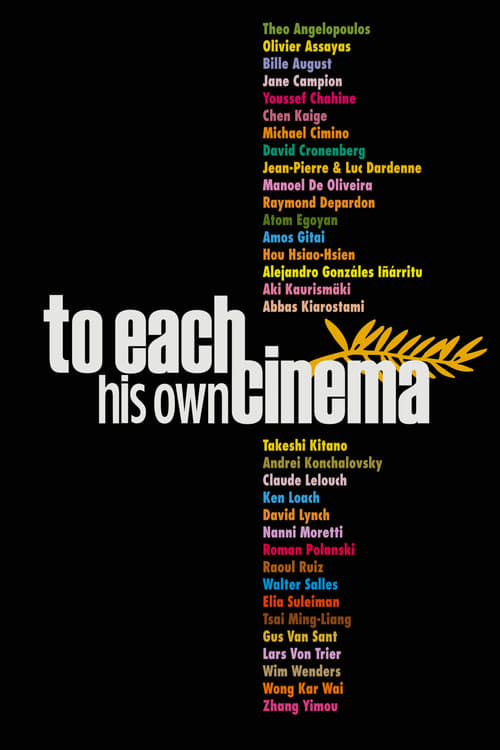
To Each His Own Cinema (2007)
film · Authentic · IMDb 6.7 · In French, Danish, English, Finnish, Hebrew, Italian, Japanese, Portuguese, Russian, Spanish, Yiddish and Mandarin
An eclectic anthology of 33 short films that serves as a high-concept celebration of the cinematic experience. It is a diverse and artistic collection for film buffs, though its fragmented nature makes it more of a gallery visit than a traditional movie night.
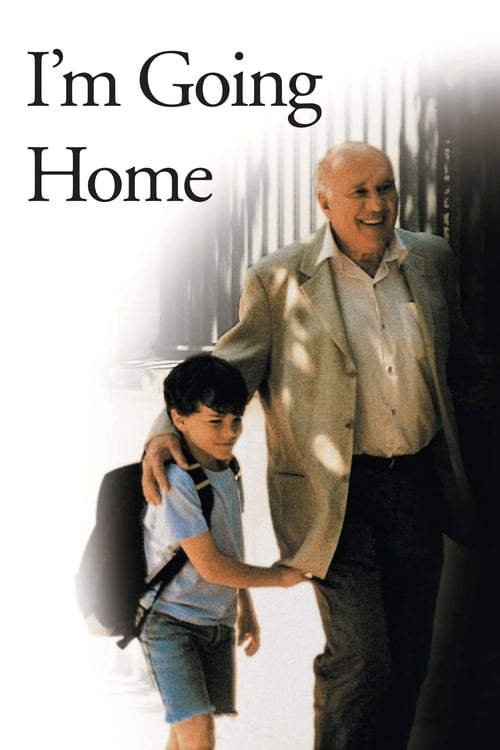
I’m Going Home (2001)
film · Authentic · IMDb 6.8 · In French, English and Latin
-|A meditative, slow-paced exploration of grief and professionalism through the eyes of a veteran actor. It is a quiet and dignified character study that rewards patient viewers who enjoy subtle, European art-house cinema.
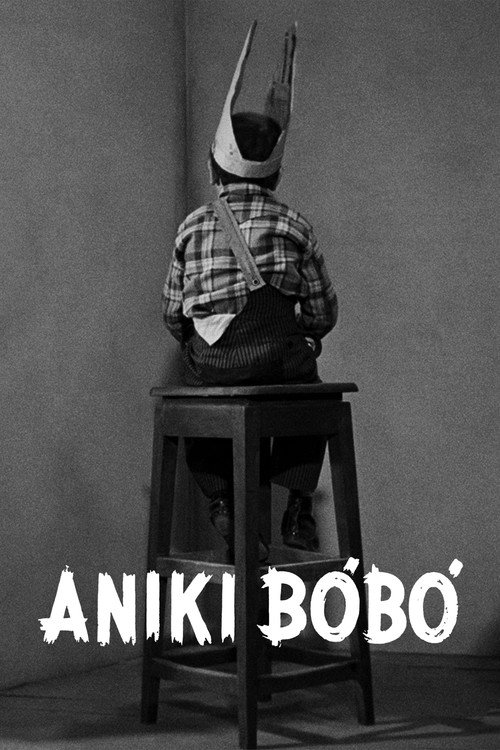
Aniki-Bóbó (1942)
film · Cozy · IMDb 7.6 · In Portuguese
A gentle and poetic look at the innocent rivalries and adventures of childhood in a Portuguese riverside town. It is a sweet, short, and historically significant film that feels like a nostalgic memory of simpler times and childhood crushes.
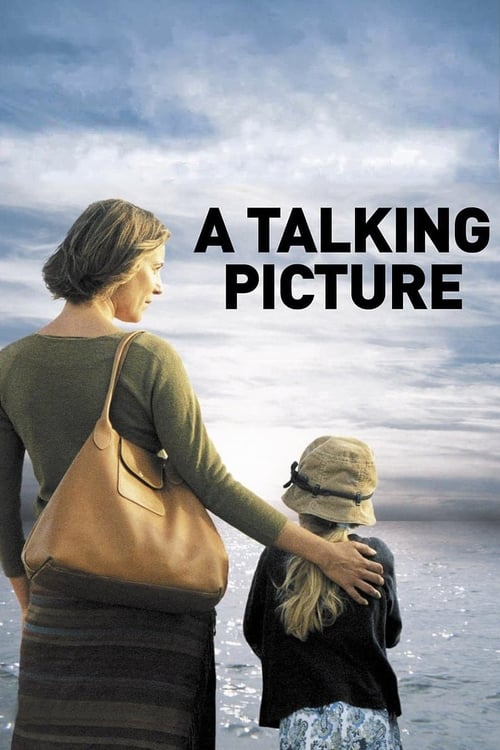
A Talking Picture (2003)
film · Authentic · IMDb 6.6 · In Portuguese, Italian, French, Greek and English
An intellectual and talkative journey through history that feels more like a philosophical lecture than a traditional narrative. It is slow-paced and highly specific, suited only for viewers who enjoy quiet, meditative cinema and the exploration of grand ideas over plot.
More authentic titles
Same mood, saved by people here. See all authentic titles.
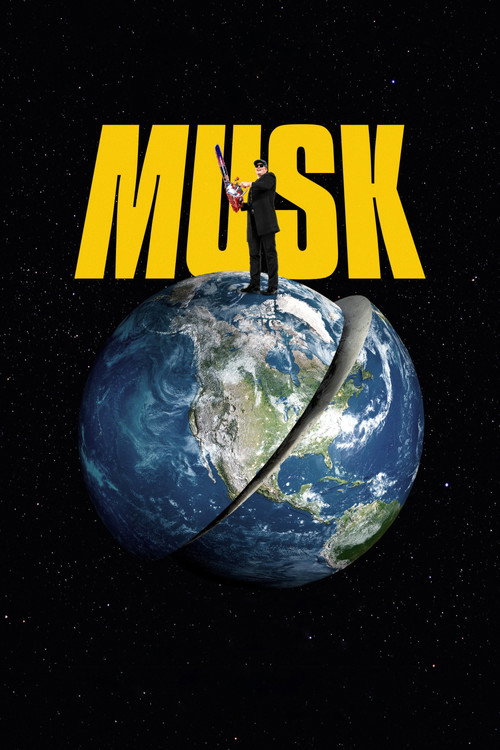
Musk (2026)
documentary · Authentic · TMDB 7.4 · In English, Portuguese and Spanish
An exhaustive and critical examination of a polarizing figure that prioritizes investigative depth over sycophancy. At nearly four hours, it is a demanding watch intended for those seeking a dense, high-stakes analysis of global influence and corporate power.
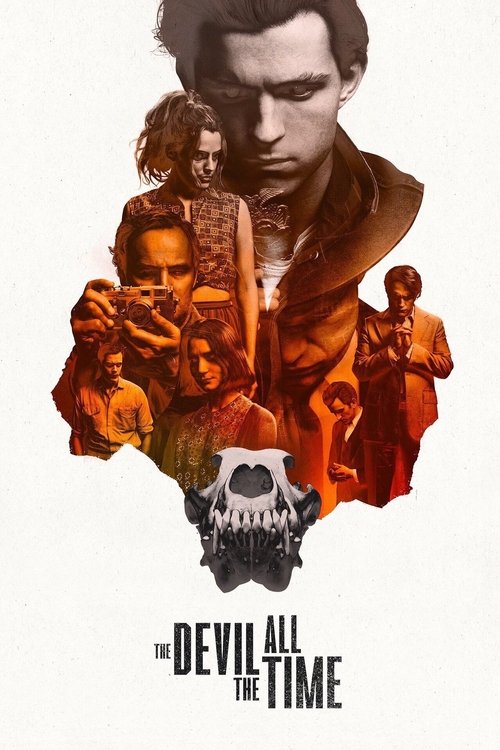
The Devil All the Time (2020)
film · Authentic · IMDb 7.1
A sprawling and relentlessly bleak Southern Gothic tale that trades in human depravity and atmospheric dread. It is a punishing watch that offers a heavy character study rather than traditional entertainment.
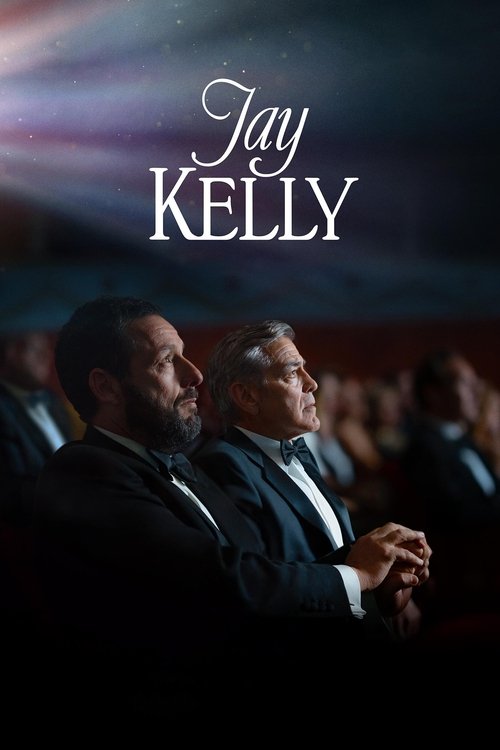
Jay Kelly (2025)
film · Authentic · IMDb 6.5 · In English, French and Italian
A literate and introspective look at aging and industry legacy through the lens of a movie star's self-reflection. Expect sharp dialogue and high-tier performances in a film that prioritizes human connection over plot momentum.

The Power of the Dog (2021)
film · Authentic · IMDb 6.8
A masterfully crafted and slow-burning psychological drama that simmers with repressed emotion and quiet menace. It is a prestigious, punishing watch that rewards patience with its intricate character work and stunning cinematography.
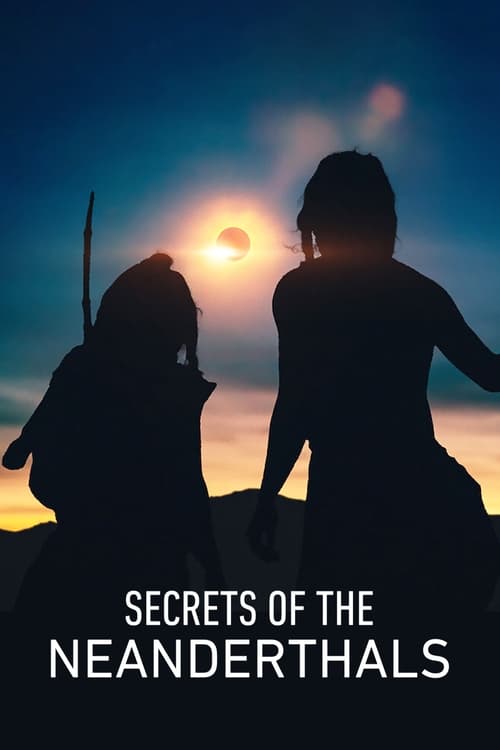
Secrets of the Neanderthals (2024)
documentary · Authentic · IMDb 6.4
An evocative and scholarly look at our ancient ancestors that balances scientific discovery with a sense of wonder. It is a thoughtful, steady-paced historical exploration narrated with gravitas.
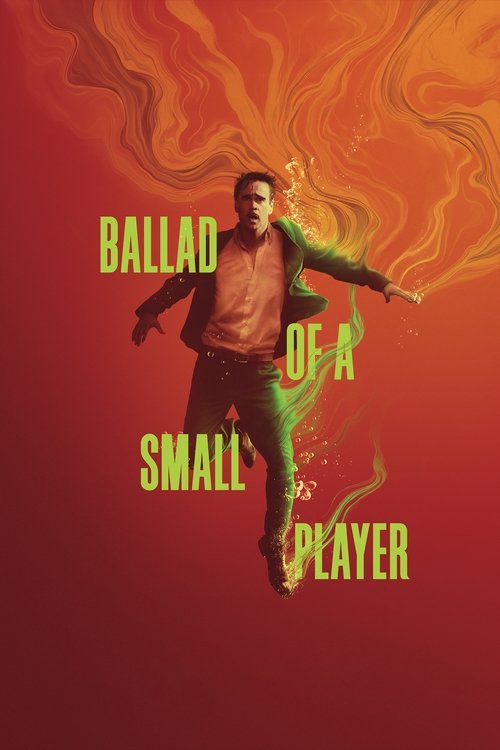
Ballad of a Small Player (2025)
film · Authentic · IMDb 5.9 · In English, Cantonese and Mandarin
A moody and atmospheric drama set against the high-stakes world of Macau gambling, though its low critical score suggests it may struggle to hit its marks. It is a slow-burn character study for those who enjoy stories of desperate people in glamorous, neon-lit settings.