

Connecting Rooms (1970)
Film · Drama
Skip itif you don't want a slow, stale melodrama that never justifies its theatrical staging.
A theatrical and somber drama that captures the loneliness and desperation of people living in close proximity but remaining strangers. It is a slow-paced, performance-heavy piece that feels more like a staged play than a modern film.
The premise
Explores the relationships shared by the residents of a seedy boarding house in London. Based on the play The Cellist, by Marion Hart.
What Connecting Rooms is like, and who it is for
What it is like to watch
In a shabby London boarding house, the residents circle one another like polite strangers, each hiding a desperate secret behind their doors. This is a slow, sombre drama that plays more like a staged piece than a film, with long pauses and theatrical gestures. The loneliness is palpable, the tone authentic, but the pace is leisurely to the point of stagnation, and the atmosphere is heavy with unspoken yearning.
Who made it, and how it landed
Directed by Franklin Gollings, the film brings together Bette Davis and Michael Redgrave, two distinguished actors whose presence often overshadows the material. Davis is famously forceful, Redgrave pathetically sympathetic, and Kay Walsh adds a cameo of a nosy landlady. Critics were largely unimpressed: the Monthly Film Bulletin called it a doomed attempt at old-fashioned melodrama, while TV Guide dismissed it as dull and sappy. User scores on IMDb (6.4) and Letterboxd (3.3) reflect the lukewarm reception.
Who it is for, and who should skip it
This is for devotees of Davis and Redgrave who want to see them in a rare team-up, even in a flawed vehicle. Those seeking a gripping or modern drama should look elsewhere. The plot's secrets are signalled early, and the deliberate pacing may test patience; reviews consistently noted its slow, creaky and novelettish nature.
The right evening for it
It suits a quiet evening when you want to admire two great actors working in a bygone style, but only if you can tolerate a narrative that moves at a snail's pace and holds few surprises.
Written by our AI from the facts on this page. It has opinions; it has not watched it.
How Connecting Rooms leaves you
One line on the mood it ends on, with no plot. Some people count that as a spoiler, so it stays hidden until you ask.
A lingering melancholy for the lonely, though the creaky staging may leave you more puzzled than moved.
If you like this, try
Vanya on 42nd Street (1994)
the same stage-bound intimacy and lonely, talky atmosphere
The Dresser (1983)
a backstage drama with two men whose fragile bond anchors a slow, melancholic piece
Who's Afraid of Virginia Woolf? (1966)
a claustrophobic night of emotional warfare between lonely people
Suggested by our AI for what they share with this one. Linked titles have a page here; the rest are worth a search on the browse page.
Connecting Rooms soundtrack
Music by Joan Shakespeare and John Shakespeare
Questions people ask
- Is Connecting Rooms an authentic film?
- Yes. On Watchlist Boosted it is tagged Authentic. A theatrical and somber drama that captures the loneliness and desperation of people living in close proximity but remaining strangers. It is a slow-paced, performance-heavy piece that feels more like a staged play than a modern film.
- How long is Connecting Rooms?
- Connecting Rooms runs 103 min and was released in 1970.
- Where can I watch Connecting Rooms in Ireland?
- In Ireland it is not included with any subscription service at the moment. JustWatch lists rental and purchase options.
- Who composed the music for Connecting Rooms?
- The music for Connecting Rooms is by Joan Shakespeare and John Shakespeare.
- Is Connecting Rooms worth watching?
- Skip it: if you don't want a slow, stale melodrama that never justifies its theatrical staging. IMDb users rate it 6.4 out of 10 from 933 votes and TMDB users 5.6.
More authentic titles
Same mood, saved by people here. See all authentic titles.

Musk (2026)
documentary · Authentic · TMDB 7.4 · In English, Portuguese and Spanish
An exhaustive and critical examination of a polarizing figure that prioritizes investigative depth over sycophancy. At nearly four hours, it is a demanding watch intended for those seeking a dense, high-stakes analysis of global influence and corporate power.

The Devil All the Time (2020)
film · Authentic · IMDb 7.1
A sprawling and relentlessly bleak Southern Gothic tale that trades in human depravity and atmospheric dread. It is a punishing watch that offers a heavy character study rather than traditional entertainment.
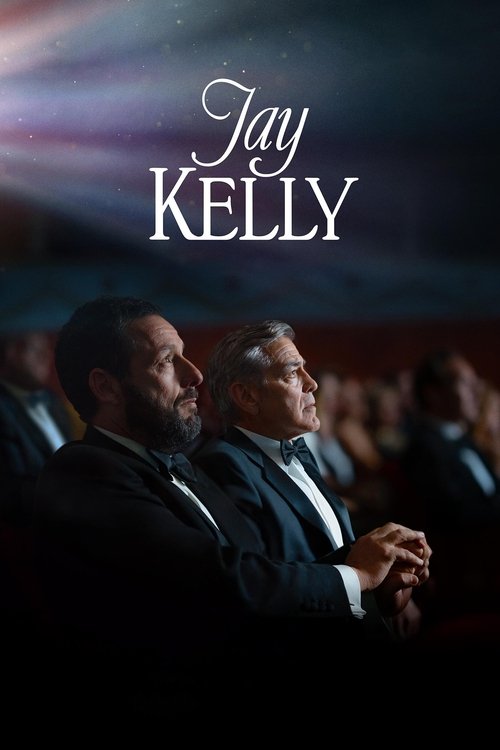
Jay Kelly (2025)
film · Authentic · IMDb 6.5 · In English, French and Italian
A literate and introspective look at aging and industry legacy through the lens of a movie star's self-reflection. Expect sharp dialogue and high-tier performances in a film that prioritizes human connection over plot momentum.

The Power of the Dog (2021)
film · Authentic · IMDb 6.8
A masterfully crafted and slow-burning psychological drama that simmers with repressed emotion and quiet menace. It is a prestigious, punishing watch that rewards patience with its intricate character work and stunning cinematography.

Secrets of the Neanderthals (2024)
documentary · Authentic · IMDb 6.4
An evocative and scholarly look at our ancient ancestors that balances scientific discovery with a sense of wonder. It is a thoughtful, steady-paced historical exploration narrated with gravitas.
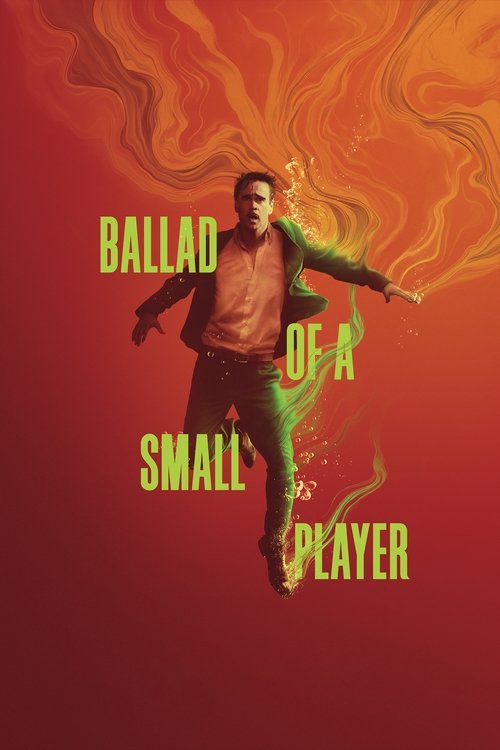
Ballad of a Small Player (2025)
film · Authentic · IMDb 5.9 · In English, Cantonese and Mandarin
A moody and atmospheric drama set against the high-stakes world of Macau gambling, though its low critical score suggests it may struggle to hit its marks. It is a slow-burn character study for those who enjoy stories of desperate people in glamorous, neon-lit settings.