
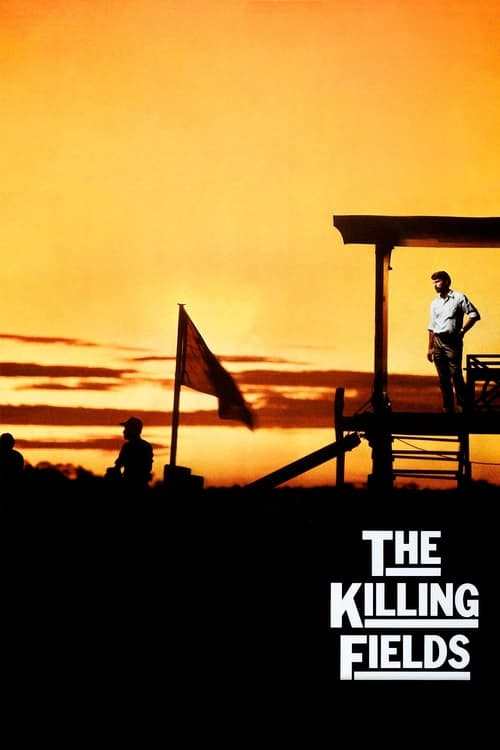
The Killing Fields (1984)
Film · Drama, History, War
Stream itif you can face an unflinching, essential account of survival against atrocity.
A harrowing and devastating account of survival during the Cambodian genocide that is as punishing as it is vital. It is a masterpiece of historical filmmaking that demands emotional endurance from its audience.
The premise
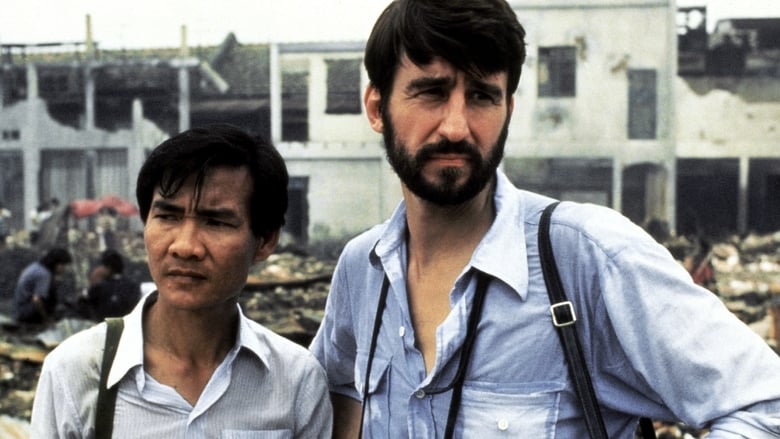
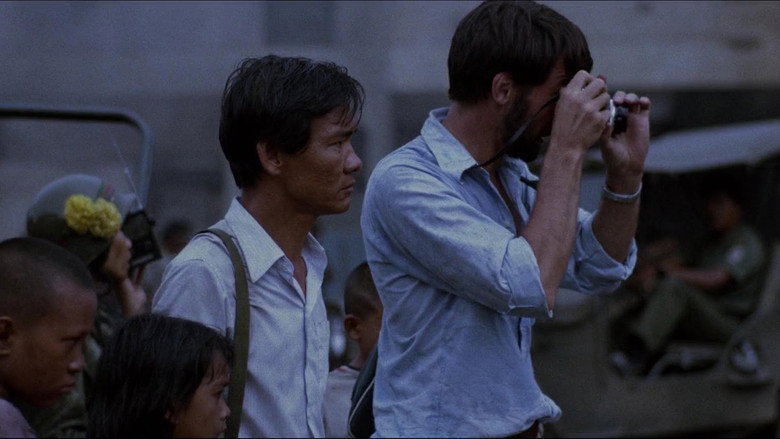
New York Times reporter Sydney Schanberg is on assignment covering the Cambodian Civil War, with the help of local interpreter Dith Pran and American photojournalist Al Rockoff. When the U.S. Army pulls out amid escalating violence, Schanberg makes exit arrangements for Pran and his family. Pran, however, tells Schanberg he intends to stay in Cambodia to help cover the unfolding story — a decision he may regret as the Khmer Rouge rebels move in.
Trailer
What The Killing Fields is like, and who it is for
What it is like to watch
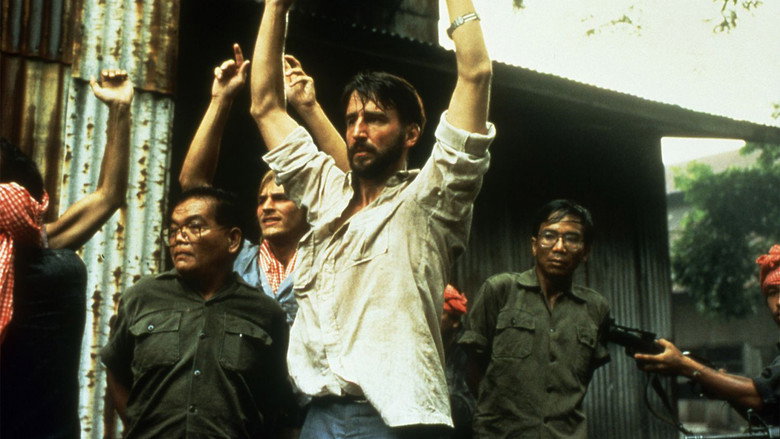
Set in the chaos of 1970s Cambodia, this is the story of journalist Sydney Schanberg and his interpreter Dith Pran, whose bond is stretched to breaking as the Khmer Rouge seize power. Watching it means sitting inside a nightmare of forced evacuations, hidden identities, and a slow-burn terror that gives way to devastation. The film plays with documentary-like realism, its long takes and handheld camerawork placing you in the dust and smoke of a collapsing city, while the emotional focus stays on the two men's fragile trust and the unbearable cost of witness.
Who made it, and how it landed
Roland Joffé directs with a visceral, sprawling ambition, and the performances ground it: Sam Waterston gives Schanberg a driven, flawed intensity, while Haing S. Ngor, a real survivor of the genocide, brings an authenticity no actor could fabricate. John Malkovich and Julian Sands add rough edges as fellow journalists. Critics were nearly unanimous in praise—91% on Rotten Tomatoes, a Metacritic score of 76—with Roger Ebert hailing it as masterful. Yet some who lived through the events, like photographer Al Rockoff, disputed their portrayals, a reminder that even necessary cinema simplifies real lives.
Who it is for, and who should skip it
This is for viewers who want history to hurt, who understand that a film about genocide should demand emotional endurance. There is no comfort here, only the grim mathematics of survival and the thin line between compassion and selfishness. The caveat is honest: it is punishing, relentless, and occasionally slips into melodrama, but the weight of what it shows argues for its importance. If you cannot sit with graphic suffering, even in service of truth, this may break you rather than teach you.
The right evening for it
Choose this for a night when you are prepared to be moved, not entertained—a dark evening, maybe with a glass of something strong, and no distractions. Expect to sit in silence after the credits, then want to learn more about Dith Pran's real fate. It is a film that gives you a headache and a heartache, and you will be grateful for both.
Written by our AI from the facts on this page. It has opinions; it has not watched it.
Another trailer
Trailer · The Killing Fields ≣ 1984 ≣ Trailer
How The Killing Fields leaves you
One line on the mood it ends on, with no plot. Some people count that as a spoiler, so it stays hidden until you ask.
You come away hollowed out but also awed by the resilience of the human spirit, and quietly furious that so much was endured for so little.
Stills


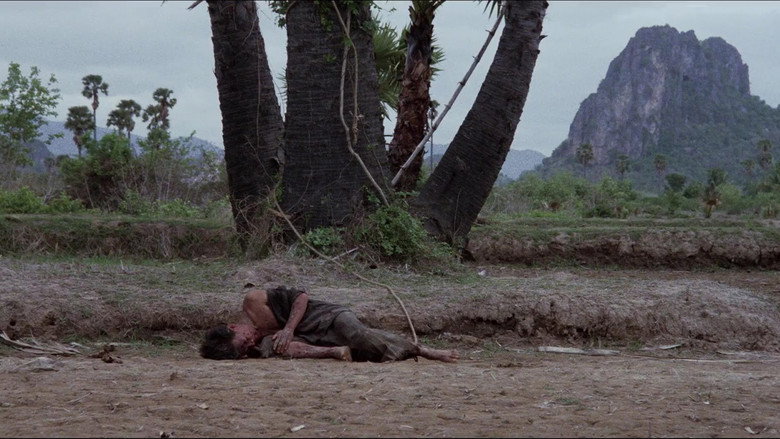
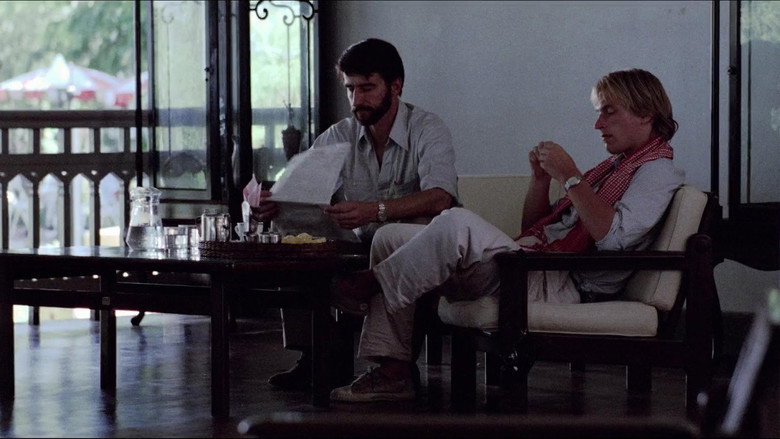
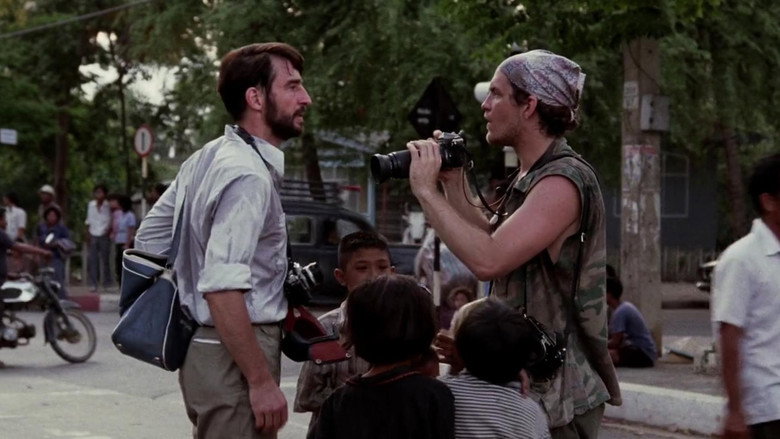
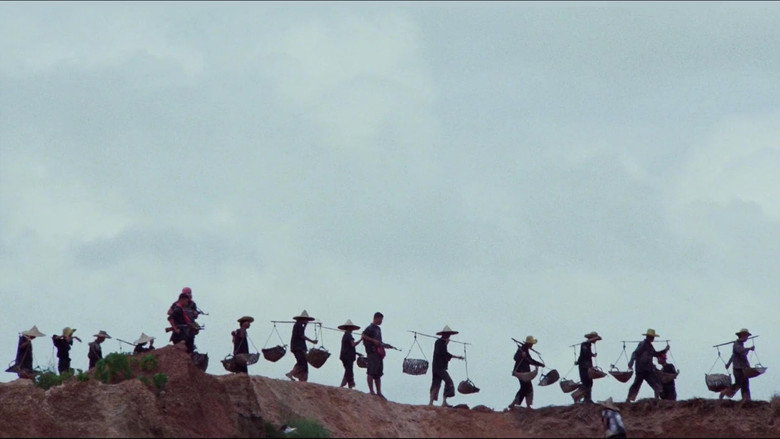

Images from TMDB.
If you like this, try

First They Killed My Father (2017)
film · Tearjerker · IMDb 7.2 · In English, French and Khmer
A devastating and visceral account of survival that refuses to look away from the horrors of the Khmer Rouge. It is a punishing but masterfully crafted endurance test that demands a high emotional toll from the viewer.
the same unsparing look at the Khmer Rouge's atrocities through a survivor's eyes
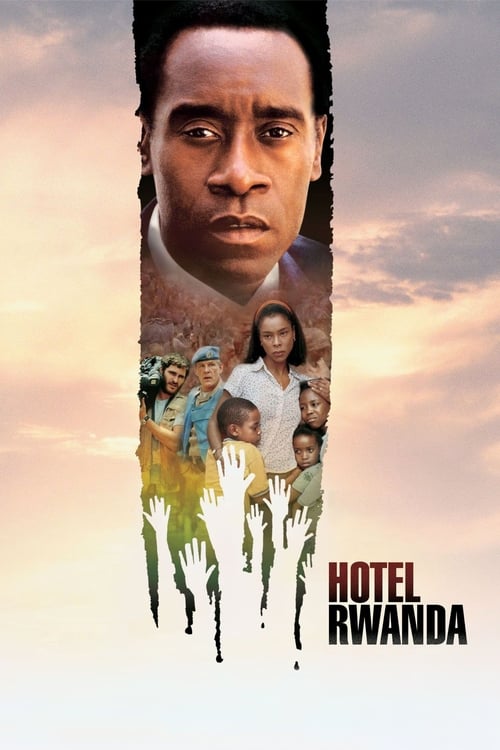
Hotel Rwanda (2004)
film · Tearjerker · IMDb 8.1 · In English and French
A harrowing and profoundly moving account of courage in the face of unspeakable cruelty and international indifference. While it celebrates a heroic true story, the intensity of the subject matter makes it a deeply emotional and cleansing experience.
a real-life story of one person's desperate effort to shield others from genocide

The Pianist (2002)
film · Tearjerker · IMDb 8.5 · In English, German, Polish and Russian
A harrowing and masterfully directed look at survival during the Holocaust that demands emotional fortitude. It is a slow-burn portrait of human resilience that is deeply moving and profoundly painful to witness.
a harrowing, intimate survival tale set against a regime's systematic cruelty
Suggested by our AI for what they share with this one. Linked titles have a page here; the rest are worth a search on the browse page.
The Killing Fields soundtrack
Music by Mike Oldfield
Awards
The Killing Fields won Best Supporting Actor, Best Cinematography and Best Film Editing at the Oscars. It also won at the BAFTAs.
Oscars
- Won: Best Supporting Actor · Haing S. Ngor · 1985
- Won: Best Cinematography · 1985
- Won: Best Film Editing · 1985
- Nominated: Best Picture · 1985
- Nominated: Best Director · Roland Joffé · 1985
- Nominated: Best Actor · Sam Waterston · 1985
- Nominated: Best Adapted Screenplay · Bruce Robinson · 1985
BAFTAs
- Won: Best Cinematography · 1985
- Won: Best Editing · 1985
3 other awards and nominationsShow
- Won: Silver nugget for the best foreign film · 1986
- Won: National Society of Film Critics Award for Best Cinematography · 1984
- Won: National Board of Review: Top Ten Films
From Wikidata, which can miss some.
Questions people ask
- Is The Killing Fields a tearjerker film?
- Yes. On Watchlist Boosted it is tagged Tearjerker, with an authentic streak. A harrowing and devastating account of survival during the Cambodian genocide that is as punishing as it is vital. It is a masterpiece of historical filmmaking that demands emotional endurance from its audience.
- How long is The Killing Fields?
- The Killing Fields runs 142 min and was released in 1984.
- What awards did The Killing Fields win?
- The Killing Fields won Best Supporting Actor, Best Cinematography and Best Film Editing at the Oscars. It also won at the BAFTAs.
- Who composed the music for The Killing Fields?
- The music for The Killing Fields is by Mike Oldfield.
- Is The Killing Fields worth watching?
- Stream it: if you can face an unflinching, essential account of survival against atrocity. IMDb users rate it 7.8 out of 10 from 64,425 votes, Rotten Tomatoes gives it 91%, Metacritic 76 and TMDB users 7.5.
More tearjerker titles
Same mood, saved by people here. See all tearjerker titles.
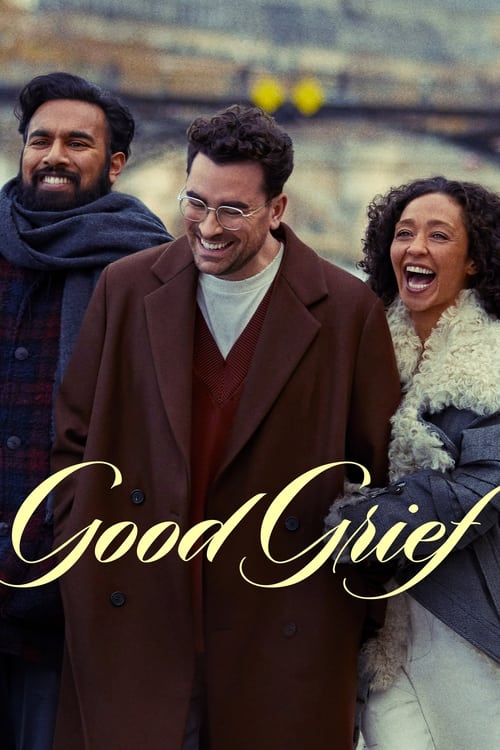
Good Grief (2023)
film · Tearjerker · IMDb 6.4
A polished exploration of loss that uses its beautiful European backdrop to cushion the blow of its heavy emotional core. While it leans into the aesthetics of a travelogue, the focus remains firmly on the messy, painful process of moving forward.
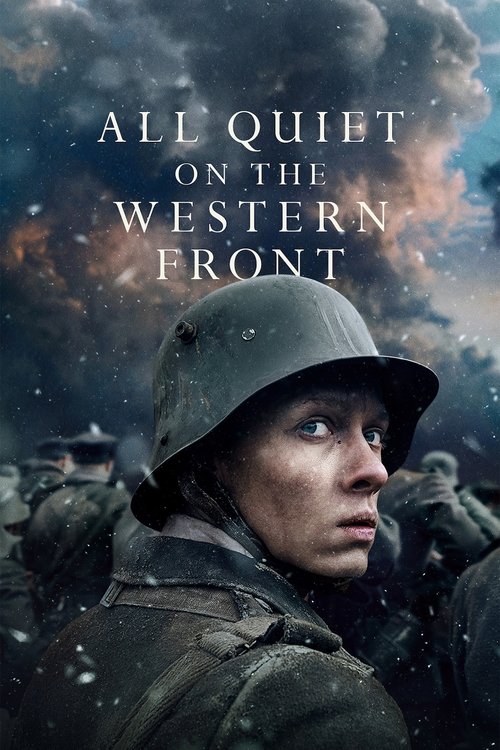
All Quiet on the Western Front (2022)
film · Tearjerker · IMDb 7.8 · In German, French and English
A visceral and harrowing immersion into the mud and misery of the trenches that strips away any remaining illusions of military glory. Its technical mastery and unrelenting grimness make it an essential but deeply punishing watch that demands a high emotional tolerance and offers little in the way of comfort.
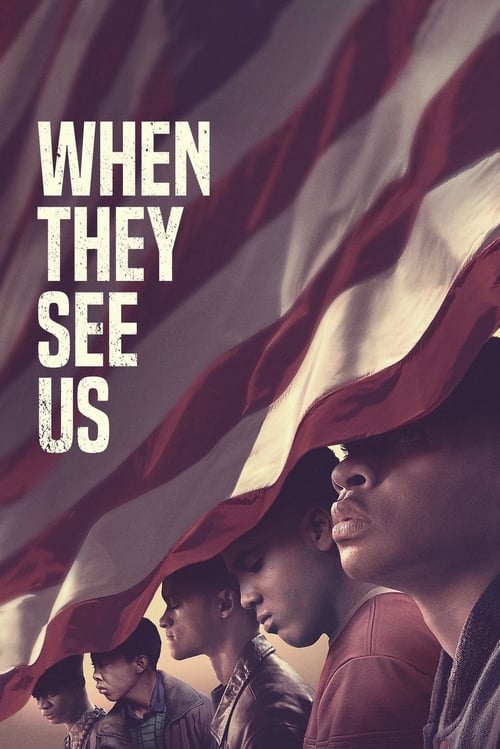
When They See Us (2019)
series · Tearjerker · IMDb 8.8
A devastating and essential look at systemic injustice that is emotionally punishing to watch. This four-part limited series offers a cathartic but heavy experience, serving as a powerful tribute to real-life resilience in the face of tragedy.
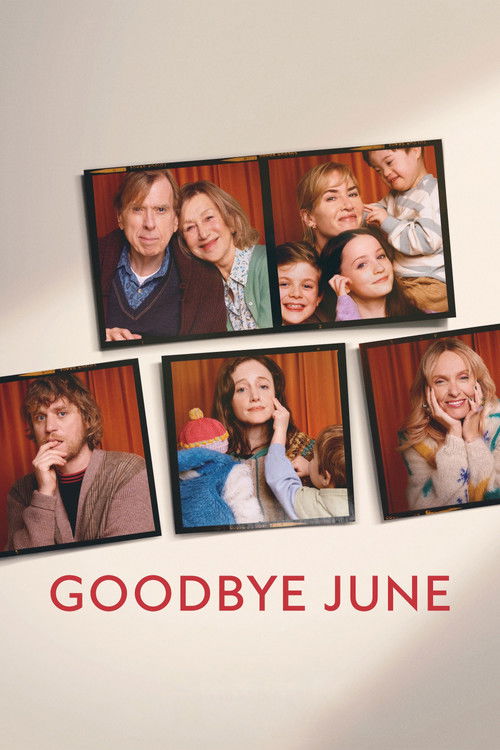
Goodbye June (2025)
film · Tearjerker · IMDb 6.7
A somber family drama that leans heavily into the emotional weight of saying goodbye during what should be a festive time. It features a powerhouse cast but offers a punishing, melancholy experience rather than holiday cheer.
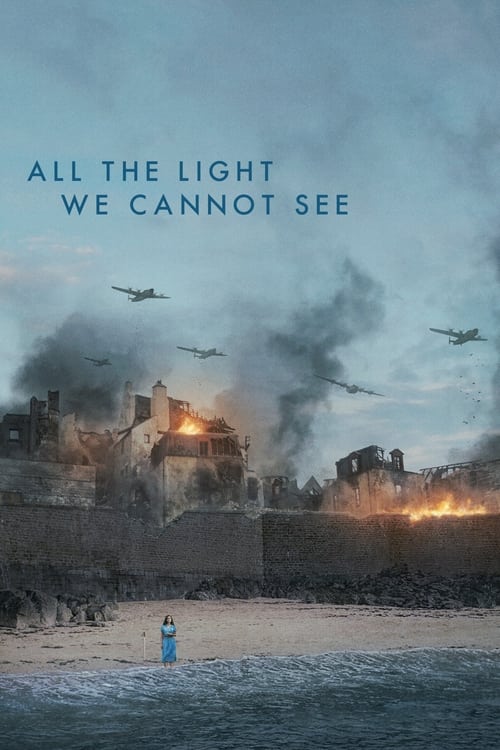
All the Light We Cannot See (2023)
series · Tearjerker · IMDb 7.5
A lavishly produced wartime drama that leans heavily into sentiment and fate. It is a sweeping, emotional story about connection amidst the horrors of the Nazi occupation, aimed squarely at the heartstrings.

From Scratch (2022)
series · Tearjerker · IMDb 7.8
A lushly photographed cross-cultural romance that starts as a dreamy travelogue before descending into a deeply emotional study of grief and family. Prepare to be devastated by the final episodes; it is a beautifully crafted but heavy emotional commitment.